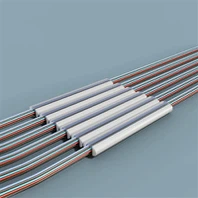
Silicon nitride (Si3N4) is a versatile ceramic material known for its excellent mechanical, thermal, and electrical properties. One of the important electrical properties of silicon nitride is its dielectric constant, also referred to as its relative permittivity.
The dielectric constant of silicon nitride typically ranges from 6 to 9, depending on the specific type and processing conditions. This value places silicon nitride in the category of low- to moderate-dielectric constant materials. The silicon nitride's composition, crystalline structure, and porosity are a few examples of the factors that affect the dielectric constant.
Moreover, silicon nitride's excellent thermal stability and mechanical strength make it a preferred choice for applications in harsh environments, such as high-temperature and high-pressure conditions. This combination of properties makes silicon nitride an attractive material for a wide range of electronic and semiconductor applications, including in the manufacturing of sensors, microelectromechanical systems (MEMS), and as a protective coating for electronic devices.
In conclusion, the dielectric constant of silicon nitride is a critical parameter that influences its suitability for various electronic applications. The low to moderate dielectric constant of silicon nitride contributes to its effectiveness in reducing parasitic capacitance and enhancing the performance of electronic devices. Its versatility and robust properties position silicon nitride as a valuable material in the ever-evolving field of electronics.